

How to Drink Without Getting Drunk: 4 Tips to Stay Sober and Prevent Hangovers

Whether you are at a social gathering with friends or a formal business dinner, alcohol is often the "icebreaker." However, the fear of "blacking out" or suffering from a debilitating hangover the next morning can ruin the experience. Staying sober and maintaining a high alcohol tolerance isn't just about genetics—it’s about technique. Here are 4 practical tips on how to drink without getting drunk, helping you control your alcohol intake scientifically and exit any party with grace.

1. Pace Your Drinking: Don't Be Fooled by Low-ABV Drinks
A common misconception is that drinking low-alcohol beverages like beer or sparkling wine is "safer." This is a major drinking trap.
The Trap: High-concentration spirits (like Whisky) have a strong "burn," which naturally forces you to sip slowly. In contrast, low-ABV drinks often taste like soda, leading people to lower their guard and "chug" them. This causes your blood alcohol concentration (BAC) to spike rapidly.
The Solution: Intentionally slow down when drinking beer or cocktails. Give your body at least 20 minutes to metabolize the first drink before reaching for the next. This allows you to accurately gauge your level of intoxication.

2. Master the Drinking Order: From Low to High Concentration
When mixing drinks, the "Light to Heavy" rule is the golden standard for staying sober.
Why Order Matters: If you start your night with high-proof spirits (like Gin or Vodka), your palate and senses become numb quickly. When you switch to red wine or beer later, they will "taste like water," leading to uncontrolled consumption.
The Pro Tip: Always start with the drink that has the lowest Alcohol by Volume (ABV). This provides your liver with a "buffer period" to begin processing the alcohol, which is a highly effective technique for preventing hangovers.
3. Line Your Stomach: Best Foods to Eat Before Drinking
Drinking on an empty stomach is the fastest way to get drunk. Without food, alcohol passes directly into the small intestine, where it is absorbed into the bloodstream almost instantly.
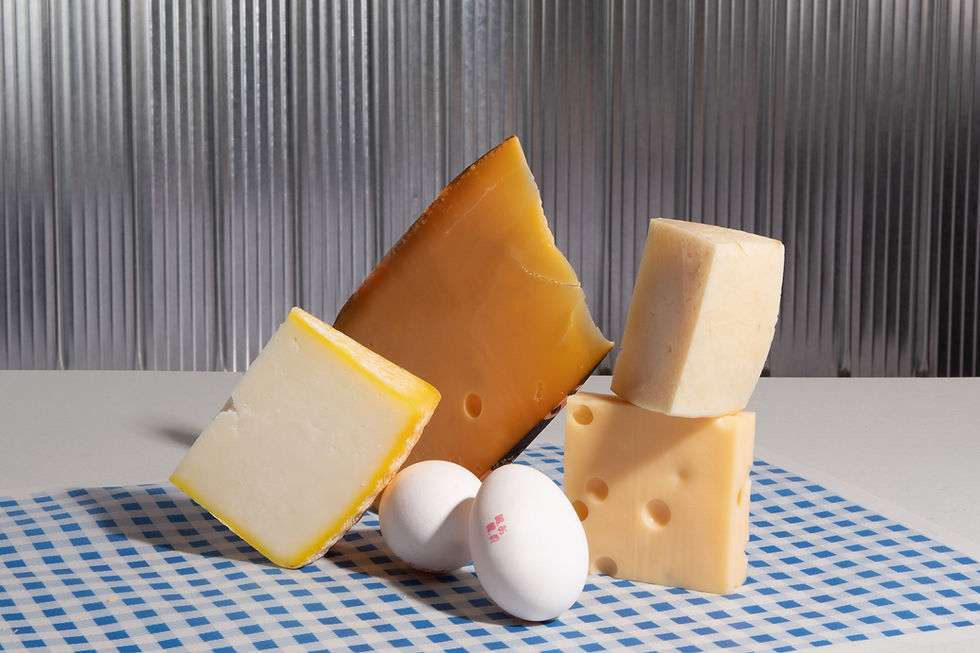
Anti-Drunk Foods: Before the first toast, consume foods high in protein or healthy fats.
Recommended Snacks: Cheese, avocado, nuts, or eggs.
The Science: Fats and proteins create a protective lining on the stomach wall and slow down "gastric emptying." This delays alcohol absorption, effectively extending your "sobriety window."

4. Water is the Best "Hangover Cure": The 1:1 Rule
If you want to avoid a headache the next day, the simplest method is hydration.
The 1:1 Ratio: For every glass of alcohol you drink, consume one full glass of plain water.
The Benefits: Water dilutes the alcohol concentration in your system and counteracts the dehydration caused by alcohol's diuretic effect.
Flush Out Toxins: Ample water intake helps your body flush out acetaldehyde (the toxic byproduct of alcohol metabolism) faster. This is widely recognized as one of the most effective ways to cure a hangover before it even starts.
By mastering these four tips, you will be better equipped to handle your next social event with ease, enjoying the atmosphere without losing control. If you know you have a slower metabolism or have frequent business obligations, you may also consider hangover relief pills or liver support supplements as an additional aid.
>>>>> [Beginner Class] EP 1: 4 Tips of not getting drunk easily
Reference:
Swift, R., & Davidson, D. (1998). Alcohol hangover: Mechanisms and mediators. Alcohol Health and Research World, 22(1), 54–60.
Verster, J. C., & Rohsenow, D. J. (2014). Hangover research needs: Proceedings of the 5th alcohol hangover research group meeting. Current Drug Abuse Reviews, 10(1), 2–4.

![[Sexual Health] Does Alcohol Help in Bed? 4 Truths About How Alcohol Affects Sexual Function](https://static.wixstatic.com/media/nsplsh_444b5a4b04fe447ab61945488690a929~mv2.jpg/v1/fill/w_980,h_551,al_c,q_85,usm_0.66_1.00_0.01,enc_avif,quality_auto/nsplsh_444b5a4b04fe447ab61945488690a929~mv2.jpg)

Comments